The Rise of Quick Commerce: Key Benefits & Future Growth 2026
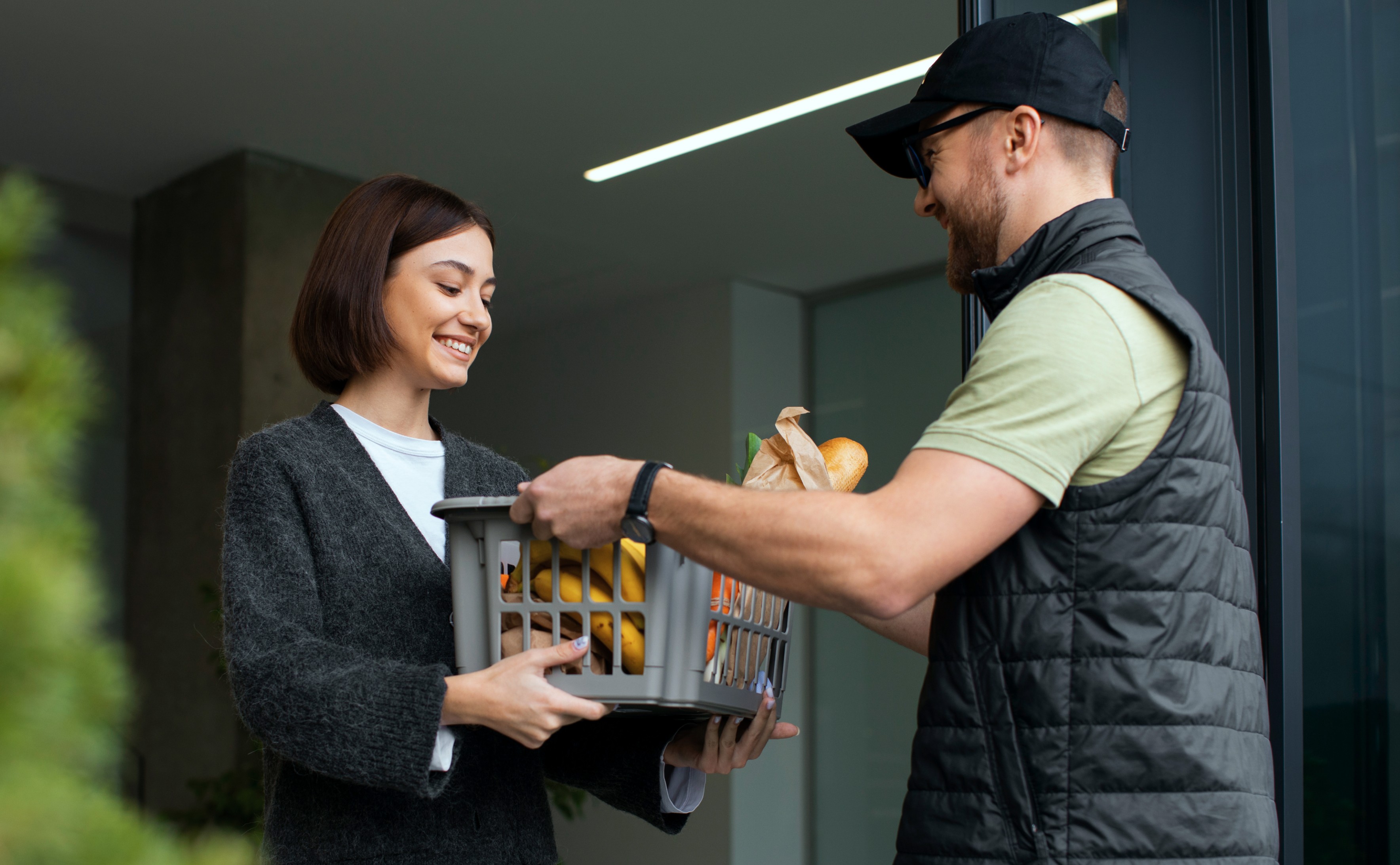
Imagine a situation where you run out of essential groceries or a last-minute dinner ingredient, and have it delivered to your doorstep within minutes. This is the promise of quick commerce, a modern retail model that is rapidly impacting how people shop. Today, quick commerce is becoming a quintessential fastest-growing segment in digital retail worldwide.
India, in particular, has emerged as one of the most dynamic market spaces for quick commerce. The country’s quick commerce market sector is projected to triple in size and reach 2 trillion by FY2028, fueled by aggressive digital adoption, increased urban population, and rising demand for convenience.
Hence, with consumers expecting product deliveries instantly rather than days, quick commerce stands not just as a trend; it is becoming the next big thing in ecommerce evolution, transforming both retail operations and customer experiences worldwide.
In a Nutshell
Quick commerce is redefining ecommerce on a global scale. It's changing the retail game, making deliveries happen in a matter of minutes, not days or weeks. Fueled by a growing appetite for immediate convenience, sophisticated logistics, and localized fulfillment networks, this trend is quickly gaining ground in markets around the world, including India. It's reshaping what customers expect and opening up new avenues for businesses to offer quicker, more intelligent shopping experiences.
What is Quick Commerce?
“The global market for Quick Commerce was estimated at US$111 billion in 2024 and is projected to reach US$352.8 billion by 2030, growing at a CAGR of 21.3% from 2024 to 2030.” Quick Commerce, or Q Commerce, is the next evolution in retail where customers can expect product deliveries within minutes rather than days. While traditional ecommerce functions on delivery timelines ranging from one to several days, quick commerce is designed to offer ultra-fast fulfillment, that is, 10 or 30 minutes or within 1 hour. This e-commerce paradigm utilizes fulfillment infrastructures, including dark stores, micro-warehouses, and strategically located inventories, to streamline business processes and expedite deliveries.
The proliferation of quick commerce is substantially shaped by shifting consumer preferences. Modern consumers are demonstrating a growing emphasis on speed, convenience, and immediacy, especially regarding essential products such as groceries, personal care items, pharmaceuticals, and household essentials. Rather than pre-planning purchases, customers can now procure necessary items precisely when required, with near-instantaneous delivery.
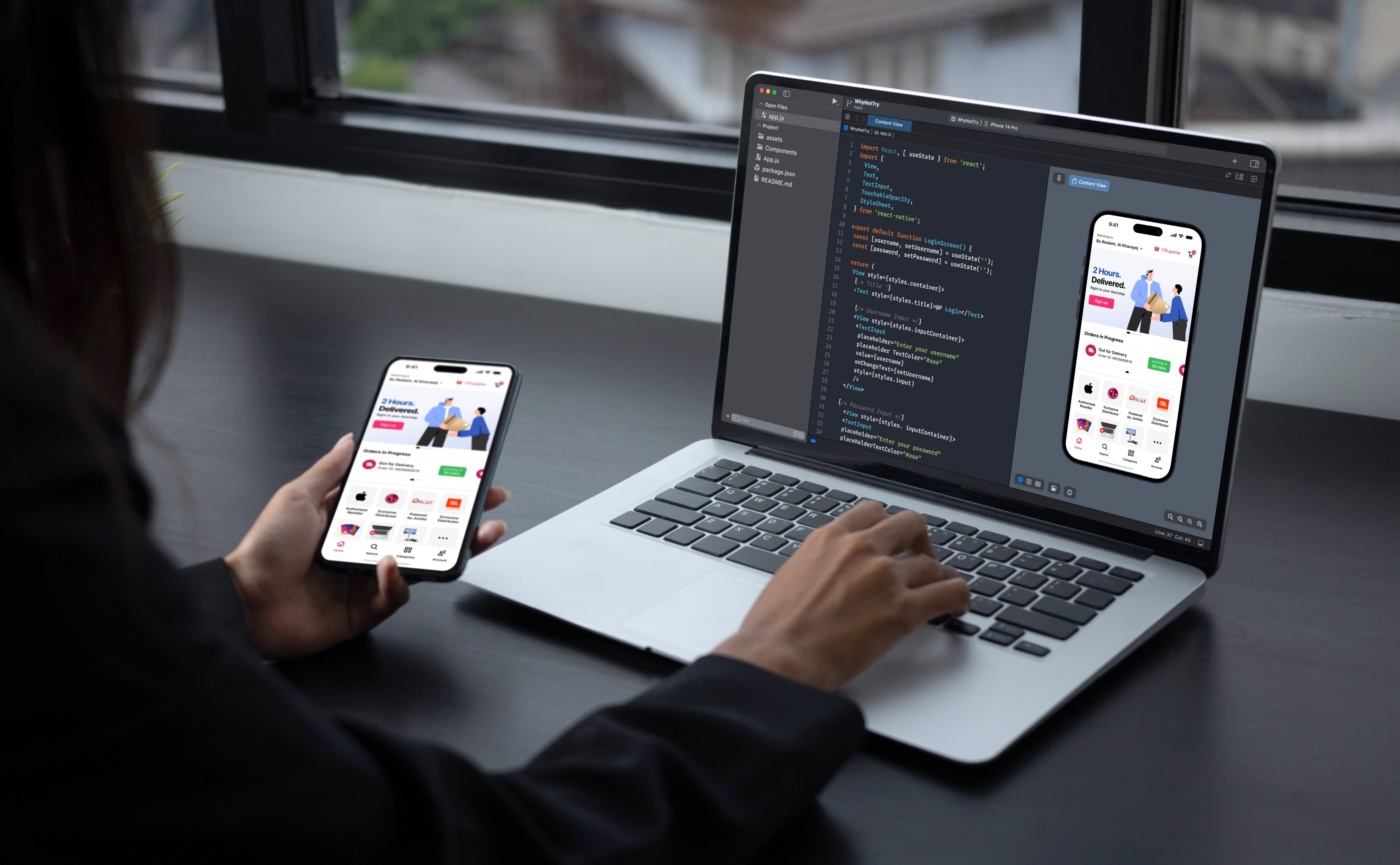
Technological progress also significantly contributes to the enablement of quick commerce. Real-time inventory management, AI-driven demand forecasting, route optimization, and integrated delivery networks assist businesses in streamlining operations and upholding rapid delivery commitments. Furthermore, mobile applications and digital payment systems simplify the purchasing process, thereby enhancing the accessibility of quick commerce.
Quick commerce, in many ways, represents a natural evolution of traditional e-commerce. While conventional online retail focuses on expanding product availability and convenience, quick commerce takes the next step by prioritizing instant gratification and real-time fulfillment, thus changing how consumers interact with digital shopping.
Curious how quick commerce can transform your customer experience?
Let's talkLoading...
Key Benefits of Quick Commerce
1. Speed
Quick commerce thrives on lightning-fast delivery, frequently getting orders to customers in mere minutes, not days. Businesses achieve this by leveraging strategically positioned micro-fulfillment centers and dark stores, which slashes delivery times considerably. This speedy service model resonates strongly with contemporary consumers, who increasingly demand instant gratification. As a result, quick commerce is ideally positioned to address those immediate or routine needs like groceries, household staples, and those spur-of-the-moment purchases, for instance.
2. Guaranteed Availability of Curated, Relevant Products
Quick commerce platforms prioritize a carefully selected inventory, focusing on items that are in high demand and frequently bought, rather than presenting a sprawling catalog. This approach allows customers to swiftly locate what they're after, all while ensuring a robust product availability. By examining purchasing trends and local preferences, businesses can stock the most pertinent items, thereby reducing the likelihood of items being out of stock.
3. Ease + 24-Hour Operation
Quick commerce platforms are built for ultimate convenience. Customers can order whenever they want, thanks to mobile-friendly interfaces, easy checkout, and constant availability. This 24/7 model makes it simple to get what you need, whether it's the middle of the night or during a busy workday.
4. Localized Operations
Quick commerce, unlike regular e-commerce, is all about the hyperlocal. Businesses keep their stock close to their customers, using local warehouses or dark stores. This allows them to cater to particular local markets with precision. Local strategies speed up deliveries and help manage inventory to match what people in the area want.
5. Small Order Sizes
Quick commerce works best with smaller, more frequent purchases, moving away from the traditional bulk-buying model. Shoppers can now get precisely what they want, when they want it, without the hassle of accumulating a full shopping list. This mirrors contemporary consumer habits, particularly for items like groceries, snacks, medications, and everyday necessities, making the whole process more adaptable and user-friendly.
Top 5 Quick Commerce Examples
‣ Blinkit
Research indicates that Quick commerce is anticipated to contribute approximately 69% of Eternal’s revenue by FY2026, a projection significantly influenced by Blinkit’s swift expansion. Blinkit, a prominent quick commerce platform in India, facilitates the delivery of groceries, electronics, and other essentials within minutes, utilizing a network of hyperlocal dark stores. Originally Grofers, and later acquired by Zomato (now Eternal), the platform was instrumental in bringing the 10-minute delivery concept to the forefront of urban India. Blinkit, with its vast network of micro-warehouses, can swiftly handle a high volume of daily orders, setting a benchmark for instant retail logistics. Its expansion into areas like electronics and personal care also highlights the changing landscape of quick commerce, moving beyond just groceries.
‣ Zepto
Zepto, launched in 2021, has rapidly risen to prominence in India's quick commerce market, known for its incredibly fast grocery deliveries. The company built a large network of dark stores across major cities, enabling them to promise deliveries in under ten minutes.
In India, there is a culture of buying hyper-locally. This doesn’t really exist in other parts of the world. Customers in India buy small-ticket items multiple times a week hyper-locally, and quick commerce gives them hyper-local, high-proximity and low-ticket use cases. No other format in grocery, even in the offline world, has been able to make similar offerings to consumers.
- Aadit Palicha, Zepto’s Co-founder and Chief Executive
Zepto’s growth demonstrates the strong demand for hyperlocal instant delivery, particularly among urban millennials and Gen Z consumers. By expanding into categories such as electronics, beauty, and apparel, Zepto is redefining quick commerce as a broader retail channel rather than just an online grocery service.
‣ Swiggy Instamart
Instamart, Swiggy's quick commerce division, is a significant player in India's instant grocery delivery market. It utilizes Swiggy's existing logistics network and customer reach to provide groceries, household necessities, and everyday items in a matter of minutes. According to The Economics Times, Swiggy Instamart experienced a 101% year-over-year increase in early 2025, driven by quick commerce. The data shows Instamart's rapid expansion into different cities, along with its ongoing investment in dark store infrastructure to meet growing demand. Swiggy's approach, merging food delivery with grocery logistics on a single platform, showcases the scalability of quick commerce, driven by the power of ecosystem synergies.
‣ Amazon Fresh (US)
Amazon Fresh, the speedy grocery delivery service, is available in the U.S.and beyond. While it doesn't always arrive in a flash, the service leverages local fulfillment centers and Amazon's established logistics network to expedite grocery delivery. Amazon Fresh illustrates the fierce competition in the quick commerce space, pitting major e-commerce giants against nimble hyperlocal startups. Backed by Prime memberships and a complex supply chain, Amazon has already launched instant grocery delivery in numerous cities.
‣ Gopuff (US)
Gopuff, a U.S.-based company, is also in the mix. The company was among the first to offer rapid delivery services, focusing on snacks, groceries, and other everyday essentials. Established in 2013, Gopuff constructed a network of micro-fulfillment centers throughout the U.S. and Europe. This infrastructure allows for direct delivery to consumers, bypassing the need for third-party retailers. This vertically integrated system provides Gopuff with control over its inventory and delivery processes, resulting in quicker order fulfillment and improved profit margins. The company's business model has served as a template for numerous quick commerce startups around the globe.
‣ Flink (Germany)
Flink, the Berlin-based quick commerce company, landed a significant $100 million in venture capital in 2026, a move designed to fuel its growth in key markets. Established in 2020, Flink rapidly spread throughout Europe, concentrating on urban centers with a high population density, where swift deliveries were practical. The company's strategy centers on stock ownership and the operation of localized warehouses, thereby facilitating enhanced control over product availability and delivery timelines. Flink has become a key competitor within the European quick commerce landscape, engaging in direct competition with other rapid-delivery startups.
Looking to implement quick commerce for your business growth?
Reach out to usLoading...
Challenges and Limitations of Quick Commerce
1. Unsustainable Business Models
Notwithstanding substantial investment, numerous firms within the quick commerce sector encounter profitability challenges, primarily due to elevated operational expenses. The maintenance of dark stores, the management of last-mile delivery, the provision of discounts, and the commitment to ultra-fast delivery all substantially inflate operational costs. Even with an expanding customer base, maintaining profit margins presents a persistent challenge. Consequently, many quick commerce companies heavily depend on venture capital, which raises long-term concerns about their financial stability.
2. Labor Rights and Safety Concerns
Quick commerce delivery personnel often contend with considerable time pressures as they strive to meet demanding delivery schedules. Such an environment can foster unsafe driving behaviors, extended work hours, and a lack of job stability. Numerous delivery partners are integrated into gig economy frameworks, potentially restricting their access to essential benefits like health insurance and paid time off. Consequently, as the quick commerce sector continues to grow, regulatory agencies and labor organizations are intensifying their demands for improved safeguards and fairer working environments.
3. Environmental Impact
The rapid delivery model potentially intensifies environmental pressures, stemming from the frequent occurrence of small orders and last-mile deliveries. The increased volume of delivery trips results in greater fuel consumption, increased urban congestion, and higher carbon emissions. Moreover, the packaging waste generated by single-item or small-basket orders can accumulate swiftly. While some companies are exploring electric vehicles and sustainable packaging options, reconciling ultra-fast logistics with environmental responsibility poses a significant challenge.
4. Marginalization of Traditional Retail
Quick commerce platforms can divert consumer spending from local physical stores. Small neighborhood retailers may struggle to compete with the speed, convenience, and pricing advantages of large digital platforms. As more consumers rely on instant delivery apps, traditional shops risk losing foot traffic and sales. This shift could reshape local retail ecosystems and potentially reduce opportunities for small independent businesses.
5. Encouragement of Impulse Purchases
The convenience and immediacy of quick commerce can encourage impulsive buying behavior. With products delivered in minutes and minimal effort required to place orders, consumers may make unplanned purchases more frequently. This behavior can increase unnecessary consumption and spending. Over time, the constant availability of instant delivery may reshape shopping habits, encouraging convenience-driven decisions rather than planned purchases.
6. Data Privacy Concerns
Quick commerce platforms rely heavily on user data to personalize product recommendations, predict demand, and optimize logistics. This involves collecting sensitive information such as location data, purchase history, and behavioral patterns. While these insights improve customer experience, they also raise concerns about how data is stored, shared, and protected. Strong data governance and transparent privacy policies are essential to maintain consumer trust.
The Future of Quick Commerce
Quick commerce is rapidly evolving as technology reshapes retail logistics and consumer expectations. As urban consumers increasingly demand instant fulfillment, the quick commerce market is projected to expand significantly in the coming years. Future innovations will rely heavily on AI-driven logistics, predictive demand forecasting, and automated inventory management, allowing platforms to deliver faster while reducing operational inefficiencies. Emerging technologies such as delivery drones, robotics, and autonomous vehicles are also being tested to optimize last-mile delivery and reduce costs. In fact, the global drone logistics market could grow to $87.6 billion by 2035, highlighting the role of automation in future delivery networks.
WAC Commerce is a comprehensive digital commerce solution designed to help brands build scalable, high-performance online stores and unified commerce ecosystems. It enables businesses to deliver seamless shopping experiences across web, mobile, and emerging digital touchpoints. With expertise in platform development, system integrations, performance optimization, and customer experience design, WAC Commerce supports brands in adapting to rapidly evolving retail trends such as omnichannel commerce, personalization, and quick commerce models.
The solution focuses on creating flexible and future-ready commerce infrastructures that can integrate advanced technologies, streamline operations, and enhance customer engagement. By combining strategic consulting, modern development frameworks, and data-driven insights, WAC Commerce empowers businesses to accelerate digital transformation and stay competitive in the increasingly fast-moving e-commerce landscape.
Conclusion
Quick commerce represents a substantial shift within the retail sector. This transformation is propelled by fundamental elements, including evolving consumer preferences, the demand for immediacy, convenience, and the desire for instantaneous access to commonplace products and services. Quick commerce platforms are reshaping the flow of goods from retailers to consumers by utilizing hyperlocal fulfillment centers, sophisticated logistics networks, and data-informed demand forecasting. Initially focused on expedited grocery delivery, this model is now broadening its scope to encompass diverse categories such as electronics, personal care items, and lifestyle products. For enterprises, quick commerce signifies more than a fleeting trend; it embodies a sustained transition towards more agile, responsive retail environments. Businesses that focus on streamlined supply chains, embrace technology, and adopt localized fulfillment strategies stand to gain significant advantages, opening doors to new growth and better customer engagement. However, achieving this while also prioritizing operational efficiency, sustainability, and ethical practices will be essential for enduring success. As the market evolves, those companies that make smart, strategic adjustments will be the ones that flourish in the rapidly changing landscape of instant retail.
Are you leveraging quick commerce to boost growth and conversions?
Let's talkLoading...
- Ecommerce Digital Marketing in 2026: Actionable Strategies & Tips
- E-Commerce Statistics 2026: Key Trends, Growth Insights & Global Shopping Behavior
- Top Gen Z Shopping Trends Shaping eCommerce in 2026
- Adobe Commerce vs Commercetools: Choosing the Right eCommerce Platform for Scalable Success
- Composable Commerce in 2026: A Mainstream Solution for the Future of Retail
Discover Digital Transformation
Please feel free to share your thoughts and we can discuss it over a cup of tea.